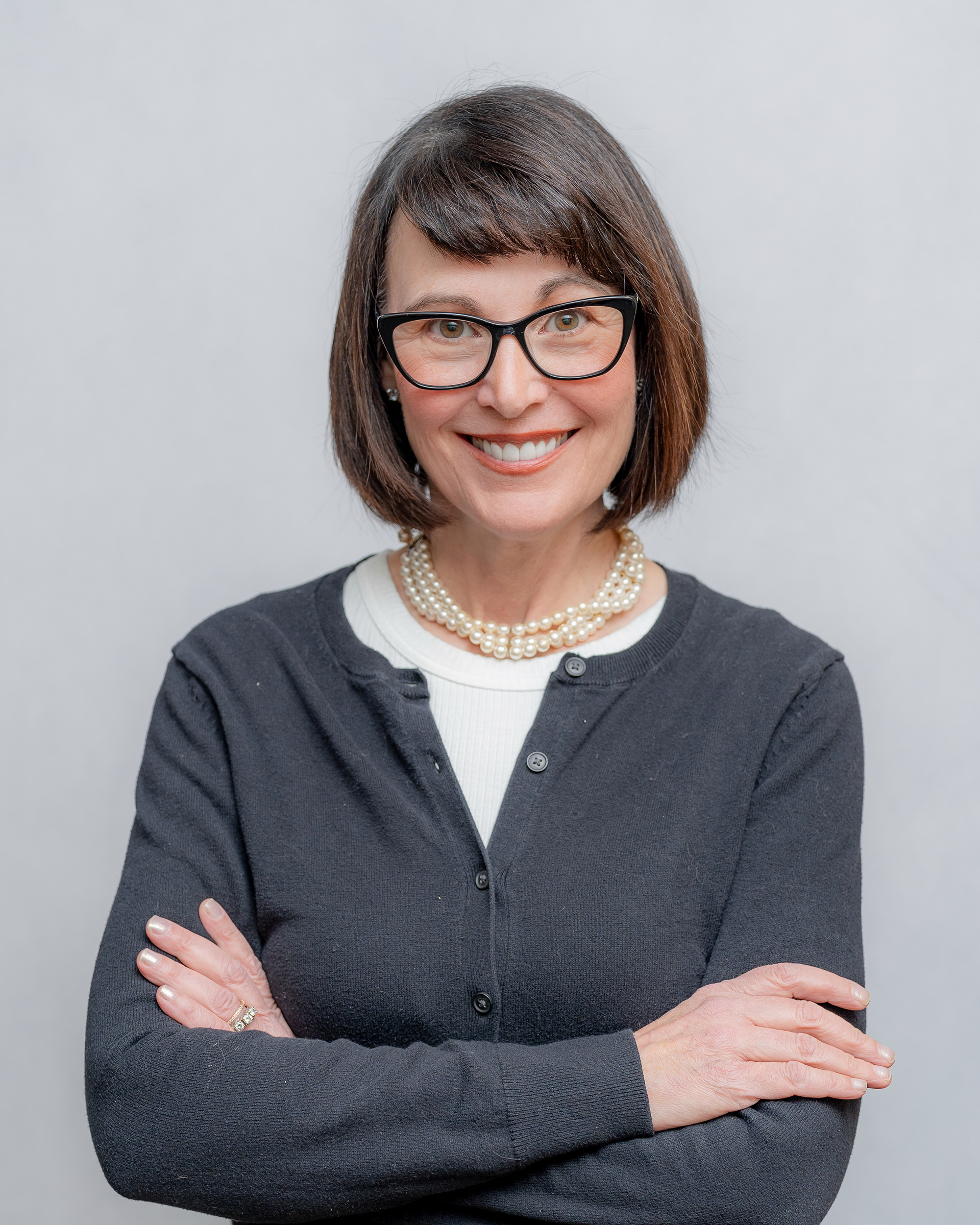
The Human Side of Dental Practice Transitions with Christine Diehl

The team is the practice. Buying a dental practice means investing in people.
Why trust, communication, and leadership matter more than most dentists realize during practice acquisitions.
Buying or selling a dental practice is often viewed as just a financial transaction.
There are contracts, evaluations, software transfers, underwriting requests, and endless logistics to manage. But according to transition expert Christine Diehl, the biggest factor in whether a transition succeeds or fails comes down to something other than numbers.
It’s the people.
In this episode of the Dental Office Rescue Podcast, Linda Kane sits down with Christine Diehl, founder of DSO Team Transition and author of Heart of the Handoff, to discuss how dentists can mitigate risk, reduce turnover, build trust, and stabilize teams during practice acquisitions and ownership transitions.
Together, they unpack why so many transitions struggle after the deal closes, how leadership impacts team stability, and what dentists can do during the critical first 90 days to create stronger teams and smoother transitions.
Why Dental Practice Transitions Often Break Down
One of the most important takeaways from the episode is that the hardest part of a transition isn’t the acquisition itself.
It’s what happens after.
While buyers and sellers spend months focused on contracts, financing, valuations, and equipment, the team is often treated like an afterthought.
But in dentistry, the team is the practice.
When a new owner walks into an office, team members are often dealing with uncertainty, fear, or even grief.
Questions immediately start running through their minds: Is my job safe? Will everything change? Will this new doctor value what we built here?
At the same time, many new owners are eager to implement changes quickly.
That disconnect — between the doctor’s excitement and the team’s uncertainty — is where many transitions begin to fail.
“The team doesn’t owe you trust. You have to earn it.”
— Christine Diehl
Instead of leading with systems and policies, Christine encourages new owners to focus first on relationships. The first 90 days should be centered around listening, one-on-one conversations, team communication, and stability before major change.
That foundation creates the trust needed for long-term success.
Team Stability Is a Financial Metric
Christine makes a powerful point throughout the episode: team retention directly impacts practice growth.
Dental practices are deeply relational businesses. Patients build loyalty not only to the doctor, but also to the hygienists, assistants, and front office team members they know and trust.
When key team members leave after an acquisition, patients often leave too.
That’s why turnover after a transition can lead to production drops, scheduling instability, lower morale, increased hiring costs, and even patient attrition.
Many dentists invest heavily in equipment and technology during acquisitions, but overlook the importance of investing in communication and leadership support.
Christine’s work through DSO Team Transition focuses on risk mitigation, team retention, leadership communication, operational stability, and helping practices navigate the first 30–90 days after ownership changes.
One of the most practical strategies she recommends is also one of the simplest:
Have one-on-one conversations with every team member.
According to Christine, the conversation with a team member who has been in the practice for 16 years is very different from the conversation with someone who started six months ago.
People process change differently.
Listening early helps leaders identify concerns, build trust faster, and reduce resistance before implementing major changes.
“You have to invest in the human side of your transition.”
— Christine Diehl
What Successful Dental Practice Transitions Have in Common
Throughout the episode, Linda shares stories from practices that handled transitions both well and poorly.
The best transitions had one thing in common:
The incoming doctor made the effort to build relationships before making changes.
The strongest transitions included incoming doctors who brought the team into the process early, hosted informal meetings before the transition, introduced their families, and took time to understand what was already working well inside the practice.
That approach created buy-in before Day 1.
Instead of feeling threatened, the team felt included.
Christine emphasizes that successful transitions don’t ignore change.
They simply pace it appropriately.
“The first 90 days should be all about relationship building, building trust with your team, not making a ton of changes.”
— Christine Diehl
That mindset can dramatically reduce turnover and help practices maintain momentum during ownership changes.
Why Communication Is the Most Important Leadership Skill
A major thread throughout the conversation is communication.
Christine and Linda both stress that many workplace conflicts in dentistry come from assumptions, unclear expectations, and lack of communication between departments.
Whether it’s communication between front office and clinical teams, hygienists and assistants, or existing staff and new ownership, clear communication is what keeps practices functioning well.
One of the standout leadership frameworks Christine shares in the episode is her LEAD method:
- L — Listen before making changes
- E — Engage your team in the transition process
- A — Align around shared goals and expectations
- D — Develop people instead of replacing them too quickly
Christine explains that many transition problems start when leaders skip these steps and move straight into change mode. But when teams feel heard, included, and supported, trust builds faster and transitions become significantly smoother.
And according to Christine, when teams resist leadership, it often points back to leadership itself.
That may be uncomfortable to hear, but it’s also empowering — because leadership skills can be developed.
You’re Investing in the Human Side of Dentistry
As dentistry continues evolving with AI, DSOs, and rapid operational changes, this episode serves as an important reminder:
Dentistry is still relational.
Patients want connection.
Teams want trust.
And successful transitions depend on people feeling valued, respected, and supported.
Technology may improve operations.
But communication, leadership, and trust are what protect the long-term health of a practice.
Want to Protect Your Practice During a Transition?
If you’re preparing for a dental practice acquisition, ownership change, or team transition, this episode offers practical strategies you can implement immediately.
Christine Diehl helps practices navigate transitions with clarity, communication, and stability so teams and leaders can move forward together.
Special Offer for Dental Office Rescue Listeners
Christine is offering a free 30-minute “Transition Readiness” consultation.
The first 10 doctors who mention the Dental Office Rescue Podcast will receive exclusive pricing.
DSO Team Transition
https://www.dsoteamtransition.com/
Connect with Christine on LinkedIn
https://www.linkedin.com/in/christine-diehl-rdh/
Enjoy Our Latest Episodes




I can't recommend Zeroed-In Dental Solutions enough.
I've been working with Zeroed-In Dental Solutions for a little over 4 months now, and I have to say they are amazing! I brought in Linda Kane and her team into my new acquisition/startup when original staff created a huge billing mess. Handing the reigns over to Zeroed-In Dental Solutions is probably the single-best decision I made. The team has great work ethic, communication, attitude, dedication, and capability. Setting up with Zeroed-In was really easy, and they work around the clock to send, follow up, and clean up claims for you. I was also going through a software transition from Eaglesoft to Curve Dental and they knew exactly how to handle that situation as well and keep things accurate. They'll even verify insurances and handle patient billing for you as well. Everything is very professional from the team and they bring really good energy and a great attitude too! They make you want to bring them into your practice and keep them as your own personal team. I was deciding between a few billing/RCM teams when I was looking for one, and to be honest, they all kind of sound the same, right? But talking to Linda and Zeroed-In, they stood out with their expertise and capability, and I am really glad I chose them over everyone else. It has made a huge difference for my practice and is a lot less work and hassle for me day-to-day as well. Overall, I can't recommend Zeroed-In Dental Solutions enough and you'll love working with them and enjoy the benefits it brings to you and your practice.
I have piece of mind that our patients are getting the best.
Linda and Michelle are extremely knowledgeable and professional allies to have on your side! Working with Zeroed is a breeze, and I have piece of mind that our patients are getting the best service possible from this team. Highly recommend!
They have taken extra time to make our business better.
Very, very, very pleased with the zeroed in team. If I could give more stars I would do it. Linda and Michelle have been extraordinary in their care and help for our team. They have taken extra time to make our business better and more successful. Because of their extraordinary efforts, I have changed the way I practice dentistry and it has reshaped my views. I would not hesitate recommending their services! Thanks Linda and Michelle!!!