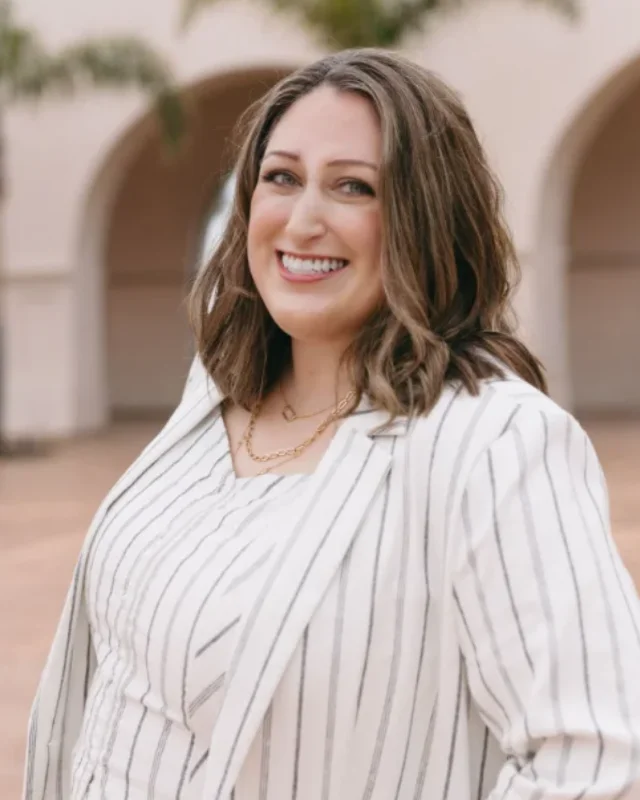
Dental Cybersecurity: Hackers, Data Breaches, and Protecting Your Practice with Amy Wood

Is your dental practice really protected from hackers and data breaches?
Protecting patient information starts with understanding where your practice is vulnerable and taking practical steps before something goes wrong.
Dental practices hold much more than X-rays and treatment notes. Patient records can include birthdates, insurance information, health histories, payment details, and sometimes Social Security numbers. That makes dental cybersecurity a practice-wide responsibility, not simply an IT problem.
On the Dental Office Rescue Podcast, Linda Kane talks with Amy Wood of Copper Penny Consulting about the vulnerabilities dental practices often overlook and the practical steps teams can take before a data breach happens.
“It’s a lot more data than ever before.” — Amy Wood
Dental Practices Aren’t Too Small to Be Targets
One misconception Amy addresses is the idea that a small dental practice isn't important enough to attract attention.
As dentistry has become increasingly digital, practices have added cloud software, integrations, vendors, and new ways to access patient information. Amy explains that technology itself isn't the enemy. The bigger issue is using it without the right training, policies, and processes around it.
“Technology is fallible,” she says. Good cybersecurity still depends on the people using it.
Start With the Privacy Risks Already in Your Office
Not every privacy problem begins with a sophisticated hacker.
Linda describes hearing Social Security numbers, birthdates, and other information spoken at front desks while teams handle insurance verification. Patient information can also be exposed through printed schedules, paperwork, or computer screens.
Some fixes are surprisingly simple: lower your voice, turn sensitive documents over, use privacy screens, and pay attention to what patients can see and hear.
Amy even suggests sitting in your reception area as a patient and observing what information you can pick up.
Stop Sharing Logins and Remove Old Access
One of the clearest risks discussed in the episode is shared credentials.
Amy shares an example of a practice where former employees still had access to a cloud-based practice management system. Someone logged in from home and deleted appointments, health histories, insurance claims, payments, and other information.
Unique logins create accountability and allow practices to see who did what. Just as importantly, practices need a termination process that immediately removes access when someone leaves.
“Check to see if you have any old team members that still have access to the practice management system or a security system.” — Amy Wood
That includes email, insurance portals, bank accounts, social media, alarm systems, and other practice technology.
Vet the Vendors Connected to Your Practice
Cybersecurity doesn't stop with your own team.
Amy recommends asking vendors about their HIPAA program, risk analysis, contractors and subcontractors, AI use, data storage, cyber insurance, and business associate agreements.
During the episode, she also offers a resource with 13 questions dental practices can use when evaluating vendors.
The takeaway is simple: don't assume a vendor is secure just because they work with dental practices. Ask questions.
How This Helps Your Dental Practice
Cybersecurity can quickly feel overwhelming. Amy's approach is to start with a few manageable wins and build from there.
Check whether former employees still have access. Stop sharing logins. Look at what patients can see and hear. Review the companies accessing your data. Talk with your insurance professional about cyber liability coverage.
You don't have to solve everything tomorrow. But you do have to start paying attention.
Take the Next Step
Listen to the full Dental Office Rescue Podcast conversation with Linda Kane and Amy Wood for a deeper discussion of dental cybersecurity, HIPAA compliance, data breaches, vendor risks, cyber insurance, and practical ways to protect your practice.
Amy's 13-question vendor resource can also help you start asking better cybersecurity questions.
Connect & Learn More
Linda Kane & Dental Office Rescue
Website: Dental Office Rescue
Amy Wood & Copper Penny Consulting
Website: Copper Penny Consulting
Enjoy Our Latest Episodes




I can't recommend Zeroed-In Dental Solutions enough.
I've been working with Zeroed-In Dental Solutions for a little over 4 months now, and I have to say they are amazing! I brought in Linda Kane and her team into my new acquisition/startup when original staff created a huge billing mess. Handing the reigns over to Zeroed-In Dental Solutions is probably the single-best decision I made. The team has great work ethic, communication, attitude, dedication, and capability. Setting up with Zeroed-In was really easy, and they work around the clock to send, follow up, and clean up claims for you. I was also going through a software transition from Eaglesoft to Curve Dental and they knew exactly how to handle that situation as well and keep things accurate. They'll even verify insurances and handle patient billing for you as well. Everything is very professional from the team and they bring really good energy and a great attitude too! They make you want to bring them into your practice and keep them as your own personal team. I was deciding between a few billing/RCM teams when I was looking for one, and to be honest, they all kind of sound the same, right? But talking to Linda and Zeroed-In, they stood out with their expertise and capability, and I am really glad I chose them over everyone else. It has made a huge difference for my practice and is a lot less work and hassle for me day-to-day as well. Overall, I can't recommend Zeroed-In Dental Solutions enough and you'll love working with them and enjoy the benefits it brings to you and your practice.
I have piece of mind that our patients are getting the best.
Linda and Michelle are extremely knowledgeable and professional allies to have on your side! Working with Zeroed is a breeze, and I have piece of mind that our patients are getting the best service possible from this team. Highly recommend!
They have taken extra time to make our business better.
Very, very, very pleased with the zeroed in team. If I could give more stars I would do it. Linda and Michelle have been extraordinary in their care and help for our team. They have taken extra time to make our business better and more successful. Because of their extraordinary efforts, I have changed the way I practice dentistry and it has reshaped my views. I would not hesitate recommending their services! Thanks Linda and Michelle!!!